
Quick Answer
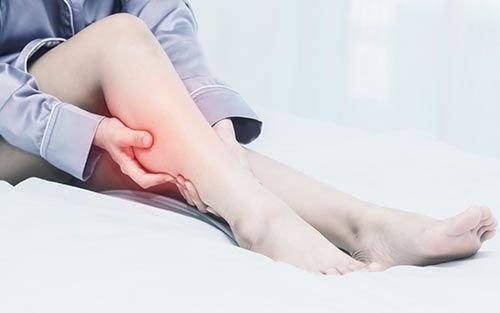
Muscle knots are small, tight, tender spots in a muscle that stay contracted even when the muscle is at rest. Clinicians call them myofascial trigger points. They usually come from overuse, long hours in one posture, stress, or minor strain, and most ease with heat, gentle movement, steady pressure, and massage.
Introduction
You press on the top of your shoulder and find it: a hard little lump that hurts in a strangely satisfying way. It was there last week too. Maybe it has been there for months.
So what are muscle knots, really? In short, they are sensitive bands of muscle fiber that have tightened up and stopped relaxing properly. They are common and usually harmless, though they can be stubborn. This guide explains what is happening under your skin, why knots form in the same places, what works at home, and when it makes sense to get help.
What Is a Muscle Knot, Exactly?
A muscle knot is a small patch of muscle fibers that stays tense instead of letting go. The muscle is not literally tied in a knot. It simply feels that way under your fingers, like a pea or a short piece of cord inside the muscle.
The clinical term is myofascial trigger point. “Myo” refers to muscle, and “fascia” is the thin connective tissue that wraps around every muscle. Physicians Janet Travell and David Simons popularized the term in their work on myofascial pain.
One honest note: researchers still debate exactly what a trigger point is at the tissue level. A common explanation is that a small group of fibers stays contracted, which limits local blood flow and makes nearby nerves more sensitive. The soreness is real and well documented, but the precise mechanism is not fully settled.
Active vs. Latent Trigger Points
| Type | What it feels like | Typical sign |
|---|---|---|
| Active | Aches on its own, even at rest | Pain can spread to another area |
| Latent | Only hurts when pressed | Stiffness or reduced range of motion |
Many people carry latent knots for years without noticing until someone presses on them.
What Causes Muscle Knots?
Muscle knots usually form when a muscle is held tense for too long or worked harder than it is ready for. The most common triggers are:
- Staying in one position. Hours at a laptop, long drives on the I-5, or looking down at a phone keep the neck and shoulder muscles switched on at a low level all day.
- Repetitive movement. Paddling a surfboard, swinging a racket, or lifting the same way at work loads the same fibers again and again.
- Sudden overload. A harder than usual workout or an awkward lift can leave a muscle guarded and tight.
- Stress. Many people raise their shoulders or clench their jaw without realizing it.
- Poor sleep and inactivity. Muscles that rarely move through their full range tend to stiffen.
Where Do Muscle Knots Usually Show Up?
Knots can form in any skeletal muscle, but a few areas take most of the load:
- Upper trapezius (the slope between neck and shoulder)
- Between and around the shoulder blades
- Lower back
- Glutes and hips
- Calves
Why Does a Knot in My Shoulder Cause a Headache?
Trigger points can send pain to a different area. This is called referred pain. A knot in the upper trapezius, for example, can produce an ache that travels up the side of the neck toward the temple. That is why the sore spot and the real source are not always in the same place.
How Do You Get Rid of Muscle Knots at Home?
Most knots respond to a mix of warmth, pressure, and movement. Here is a simple routine that suits most healthy adults:
- Warm the area. Use a warm shower or heating pad for 10 to 15 minutes to help the muscle soften.
- Apply steady pressure. Place a tennis ball or lacrosse ball between the knot and a wall. Lean in until you feel firm but tolerable pressure, around a 5 or 6 out of 10.
- Hold, don’t grind. Stay on the spot for 30 to 60 seconds while breathing slowly. The tenderness should fade a little.
- Stretch gently. Move the muscle through its comfortable range afterward.
- Get moving. A short walk or light activity keeps blood flowing to the area.
- Repeat daily, not hourly. Once or twice a day is plenty.
Heat or Ice for Muscle Knots?
Heat is usually the better choice for a tight, achy knot because warmth encourages the muscle to relax. Ice suits a fresh injury with swelling. If you are unsure which one you have, treat it as a possible injury and go easy.
Common Mistakes That Make Knots Worse
- Pressing as hard as possible. Sharp pain makes the muscle guard and tighten further.
- Working one spot for ten minutes. This can bruise the tissue and leave you sorer the next day.
- Only treating the sore spot. If your desk setup or paddling habits stay the same, the knot will likely return.
- Resting completely. Gentle movement tends to help more than staying still.
- Ignoring warning signs. Not every lump or ache is a knot.
How Does Massage Help Muscle Knots?
A trained massage therapist can find trigger points you cannot reach and apply slow, controlled pressure at the right angle. Several techniques are commonly used:
| Technique | How it works on knots |
|---|---|
| Trigger point therapy | Sustained pressure on one spot until it softens |
| Deep tissue massage | Slow, firm strokes through deeper muscle layers |
| Sports massage | Targets muscles used in a specific activity |
| Hot stone | Warmth relaxes the area before hands on work |
| Cupping | Suction lifts tissue instead of compressing it |
Results vary from person to person. A knot that built up over months may need several sessions plus changes to daily habits. Tell your therapist how the pressure feels, because “good hurt” is useful and sharp pain is not.
When Should You See a Doctor About a Muscle Knot?
See a healthcare provider if the tight spot comes with any of the following:
- Numbness, tingling, or weakness in an arm or leg
- Swelling, redness, warmth, or fever
- Pain that started after a fall or accident
- A lump that does not change with pressure, heat, or movement
- Pain that lasts more than a couple of weeks despite home care
- Chest pain or shortness of breath (seek urgent care)
A massage therapist does not diagnose medical conditions. If something feels off, get it checked first.
How Can You Prevent Muscle Knots from Coming Back?
- Change position every 30 to 45 minutes when sitting
- Raise your screen to eye level
- Warm up before surfing, lifting, or running
- Build strength in the upper back and hips
- Stretch after activity, not only before
- Manage stress with breathing, walks, or regular bodywork
- Stay consistent with sleep
Key Takeaways
- Muscle knots are tender, tight spots known clinically as myofascial trigger points.
- They form from prolonged postures, repetitive motion, overload, and stress.
- Knots can refer pain to other areas, including the head.
- Heat, moderate pressure for 30 to 60 seconds, stretching, and movement help most people.
- Pressing too hard or too long often backfires.
- Numbness, swelling, fever, or pain after an injury call for medical advice.
- Lasting relief depends on changing the habit that caused the knot.
Frequently Asked Questions
Do muscle knots go away on their own?
Some do. Mild knots from a single hard workout or a bad night of sleep often fade within a few days as the muscle recovers. Knots tied to daily habits, such as desk posture or repetitive sport, tend to linger or return until the underlying cause is addressed.
What does a muscle knot feel like?
A muscle knot feels like a small, firm lump or tight band inside the muscle. It is tender when pressed and may produce a dull ache nearby. Some knots send pain to another area, and the surrounding muscle often feels stiff or weaker than usual.
Are muscle knots actually real?
Yes, the tenderness and tight bands are real and widely recognized in clinical practice. What remains debated is the exact biological cause. Researchers have proposed several explanations, including sustained fiber contraction and nerve sensitivity, but no single theory has been fully confirmed.
Is it okay to massage a muscle knot yourself?
For most healthy adults, yes. Use moderate pressure with a ball or your fingers for 30 to 60 seconds, then stretch gently. Stop if you feel sharp pain, numbness, or tingling. Avoid pressing on the front of the neck, the spine itself, or any swollen area.
Why do my muscle knots keep coming back?
Knots usually return because the trigger has not changed. Common culprits include a low monitor, long periods of sitting, one sided carrying, repetitive training, and ongoing stress. Releasing the knot helps in the moment, but adjusting the habit is what keeps it away.
Can dehydration cause muscle knots?
Dehydration is often blamed, but direct evidence linking it to trigger points is limited. Staying hydrated supports general muscle function, so it is a sensible habit. Posture, overuse, and stress are far better supported as causes of recurring knots.
How long does it take to release a muscle knot?
A recent, mild knot may ease in one session or a few days of home care. Long standing knots often take several weeks of regular massage, stretching, and habit changes. Progress is usually gradual, with the spot becoming less tender each time.
Is a muscle knot the same as a muscle spasm?
No. A spasm is a sudden, involuntary contraction of a whole muscle that usually passes within minutes. A knot is a small, localized tight spot that can persist for days, weeks, or longer and is tender when pressed.
Conclusion
Muscle knots are your body’s way of flagging a muscle that has been overworked or held still for too long. Most respond well to warmth, patient pressure, and regular movement, and they stay away longer when you fix the habit behind them. If one keeps returning or sits somewhere you cannot reach, a skilled therapist can help. Chill Spa at 1570 Garnet Ave in Pacific Beach is open daily from 9:30 AM to 8:30 PM. Call (858) 308-5598 if you would like a therapist to take a look at that stubborn spot.