
Massage therapy can be a useful part of a balanced wellness routine, whether you want quiet relaxation, relief from everyday muscle tightness or focused attention after physical activity. However, choosing a session can be confusing when a massage menu includes several techniques, pressure levels and treatment styles.
This guide explains how massage therapy works, how relaxation and therapeutic sessions differ, what to expect during an appointment and how to choose a professional massage therapist in Pacific Beach. It also provides practical information for anyone searching for a massage near Garnet Avenue or elsewhere in San Diego’s 92109 area.
What Is Massage Therapy?
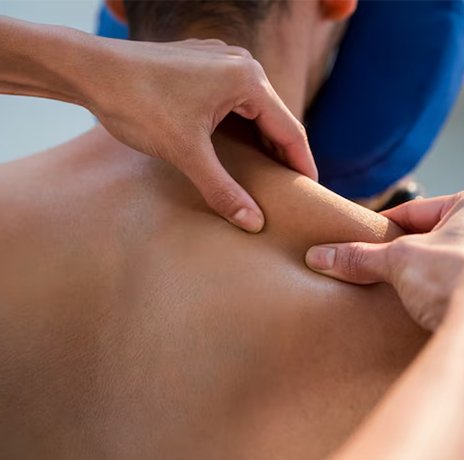
Massage therapy involves the structured manipulation of muscles and other soft tissues. A therapist may use gliding strokes, compression, kneading, sustained pressure or focused techniques depending on the purpose of the session.
Some people book massage primarily to relax. Others want help managing temporary tightness caused by desk work, exercise, travel or repetitive activity. The treatment should be adapted to the person rather than delivered as an identical routine to every client.
Massage is not a substitute for medical diagnosis or treatment. It may complement a broader wellness or recovery plan, but persistent, severe or unexplained pain should be discussed with an appropriate healthcare professional.
Why Massage Therapy Matters
Daily routines can place repeated demands on the body. Someone who works at a computer may notice tension around the neck, shoulders or lower back. A runner may experience tired calves and hips. Surfers, cyclists, gym members and hospitality workers may develop their own patterns of overuse or fatigue.
Stress can also affect the way a person holds the body. People may raise their shoulders, tighten their jaw or breathe more shallowly without realizing it. A scheduled massage creates time to slow down and pay attention to those patterns.
For many clients, the value of massage is not one dramatic result. Instead, it is an opportunity to relax, identify areas that feel overworked and develop more consistent recovery habits.
Potential Benefits of Massage Therapy
Individual responses vary, and no responsible therapist should guarantee a particular health outcome. Nevertheless, people commonly choose massage for several practical reasons.
Relaxation and Stress Relief
A relaxation massage uses comfortable pressure and flowing movements to create a calm, unhurried experience. The quiet setting and focused touch may help a client mentally step away from work, screens and daily responsibilities.
A stress relief massage can be especially appealing during demanding work periods, after travel or when a person simply feels physically and mentally overloaded.
Temporary Relief From Muscle Tightness
Massage may help some people feel less stiff or restricted for a period after their session. A therapist can spend additional time on commonly tense areas, such as the upper back, shoulders, legs or hips.
The goal is not to force a muscle to change. Effective bodywork uses tolerable pressure, careful positioning and client feedback. Excessive pain is not proof that a massage is working.
Better Body Awareness
Clients do not always notice where they hold tension until a therapist begins working. A massage session may reveal that one shoulder feels tighter, one hip is more sensitive or certain movements create discomfort.
That awareness can help a person make more informed decisions about stretching, rest, exercise technique, workstation setup or professional medical care when needed.
Support for a Personal Recovery Routine
Massage can be one part of recovery alongside sleep, hydration, suitable movement and rest. An active person might use massage between demanding training sessions, while someone with a sedentary job may use it to break up a pattern of prolonged sitting and tension.
The appropriate schedule depends on the client’s goals, health, activity level, budget and response to treatment.
Relaxation Massage vs. Therapeutic Massage
Although the terms sometimes overlap, relaxation and therapeutic massage usually begin with different priorities.
A relaxation massage focuses on general comfort and calming the body. Pressure is often light to moderate, movements are broad and the session may cover most of the body. It can be a suitable first massage for someone who feels stressed or prefers gentle bodywork.
A therapeutic massage focuses more closely on a particular concern or movement pattern. The therapist may spend more time on selected areas and combine several techniques. For example, a client may request focused work around the shoulders while still including relaxing full-body massage.
Therapeutic does not necessarily mean intense. A customized massage can be specific and effective without becoming painful. The correct pressure is the amount that feels productive while allowing the client to remain comfortable and breathe normally.
Popular Types of Massage
Understanding the basic options can make booking easier.
Swedish or Relaxation Massage
Swedish-style massage typically uses long, flowing strokes, kneading and comfortable pressure. It is often selected for general relaxation, first-time appointments and full-body sessions.
Someone searching for a relaxation massage after a busy week may find this approach more appropriate than highly focused deep work.
Deep Tissue Massage
Deep tissue massage uses slower and more concentrated pressure to address persistent areas of tightness. It may be appropriate for clients who prefer firmer work or have specific areas that repeatedly feel tense.
Deep tissue should still involve communication. The therapist should adjust the technique when pressure causes sharp pain, guarding, numbness or significant discomfort.
Sports Massage
Sports massage is designed around activity and movement goals. It may focus on the muscles used during running, cycling, surfing, strength training or another physical activity.
The session does not have to take place immediately before or after an event. Some clients use sports massage as part of an ongoing training and recovery routine.
Hot Stone or Aromatherapy Massage
Hot stone massage uses smooth, warmed stones as part of the treatment. Clients who enjoy warmth may prefer it for a soothing experience without relying entirely on firm pressure.
Aromatherapy massage incorporates selected scents or essential oils. Anyone with allergies, fragrance sensitivity, asthma or skin sensitivity should discuss this before the session.
Customized Massage
A customized massage combines techniques according to the client’s preferences. For example, a session might include gentle full-body work, medium pressure around the back and focused attention on the feet.
Customization is often more useful than choosing a treatment based only on its name. The therapist can recommend an approach after hearing what the client wants from the appointment.
What Happens During a Massage Appointment?
A professional appointment should begin with a short conversation. The therapist may ask about your goals, preferred pressure, areas to include or avoid, current discomfort and relevant health considerations.
Next, the therapist explains the session plan and gives you privacy to prepare. Professional draping keeps areas that are not being treated covered. You should never feel pressured to remove more clothing than is comfortable for you.
During the massage, communication remains important. Tell the therapist when:
- Pressure feels too light or too firm.
- A position is uncomfortable.
- You feel cold or too warm.
- You want an area avoided.
- You would prefer quiet or limited conversation.
Afterward, take a moment before standing. Your therapist may share general observations or suggest simple self-care, but they should not diagnose a medical condition unless they are separately qualified and authorized to do so.
How to Choose a Massage Therapist in Pacific Beach
A trustworthy massage therapist Pacific Beach clients can feel comfortable visiting should provide more than a pleasant room. Look for professionalism throughout the entire experience.
Ask about the therapist’s training, qualifications and experience with the type of session you are considering. A good therapist should also ask questions, explain what they plan to do and respect your boundaries.
The treatment space should appear clean and organized. Booking policies, session length and pricing should be clear before the appointment. Reviews can provide useful context, but pay attention to repeated comments about communication, cleanliness, consistency and professionalism rather than relying only on star ratings.
Most importantly, choose a therapist who adapts the treatment. Therapeutic massage in Pacific Beach should not feel like a fixed routine that ignores your goals or feedback.
Tips for a Better Massage Experience
A successful appointment starts with clear expectations.
First, describe what you want in simple terms. You might say, “I want to relax, but my shoulders need extra attention,” or “My legs feel tired after running, and I prefer medium pressure.”
Second, do not request the deepest available pressure merely because you believe stronger must be better. The therapist can gradually adjust the intensity based on your comfort and the way your body responds.
Third, speak up during the massage. Therapists cannot always know when pressure, temperature, music or positioning needs to change.
Finally, notice how you feel later that day and the following day. This information can help you and your therapist customize a future session more effectively.
When Should You Consult a Healthcare Professional?
Massage appears to have a low risk of harmful effects when performed appropriately by a trained practitioner, but it is not suitable for every person or situation.
Speak with a healthcare professional before booking if you are pregnant, recovering from surgery or a significant injury, have a serious medical condition or are unsure whether massage is appropriate for you. Also seek medical guidance for sudden, severe or unexplained pain rather than using massage to delay an evaluation.
Tell your therapist about relevant health information before treatment. This allows the session to be modified or postponed when necessary.
Finding Massage Near Garnet Avenue
Convenience matters when massage is part of a regular wellness routine. Choosing a massage spa in Pacific Beach can make it easier to schedule a session before or after work, exercise or other local activities.
Chill Spa is located at 1570 Garnet Avenue, San Diego, CA 92109. The location serves people looking for massage in 92109, including relaxation massage, focused therapeutic work and customized full-body massage in Pacific Beach.
Before booking, consider your main goal, the amount of time you have and the pressure you normally prefer. Include those details when requesting your Pacific Beach massage appointment so the therapist can prepare for your needs.
Conclusion
The right massage therapy session is not necessarily the firmest, longest or most complicated option. It is the session that matches your goals, comfort level and current needs.
Choose a professional therapist, communicate clearly and maintain realistic expectations. Whether you want general relaxation, stress relief or attention to overworked muscles, a customized approach can make your massage feel more purposeful and comfortable.
For a massage near Garnet Avenue, you can contact Chill Spa or use the online booking form to request an appointment in Pacific Beach.
Frequently Asked Questions
1. What is massage therapy?
Massage therapy is the structured manipulation of muscles and other soft tissues. It may use gliding, kneading, compression or focused pressure techniques.
2. What is the difference between a massage and massage therapy?
The terms are often used interchangeably. “Massage therapy” usually emphasizes a session delivered by a trained professional for specific relaxation or wellness goals.
3. Is massage therapy good for stress relief?
Massage may promote relaxation and provide time away from daily stressors. Results vary, and it should not replace professional mental-health care when that care is needed.
4. Does a therapeutic massage have to hurt?
No. Therapeutic massage can use light, medium or firm pressure, and sharp or excessive pain should not be treated as a sign of effectiveness.
5. What is included in a full-body massage?
A full-body massage may include the back, shoulders, arms, hands, legs, feet and neck. Areas included depend on the client’s consent, preferences and session length.
6. How long should my first massage appointment be?
A 60-minute appointment is a practical starting point for many people. A shorter session may be better when you want focused work on one or two areas.
7. What should I wear to a massage appointment?
Wear comfortable clothing to the spa. During the session, undress only to your comfort level; professional draping should be used throughout treatment.
8. How often should I get a massage?
Frequency depends on your goals, activity level, response and budget. Some people book occasionally, while others include massage in a regular recovery routine.
9. When should I avoid massage therapy?
Consult a healthcare professional if you have a significant medical condition, recent surgery or injury, are pregnant or have unexplained pain.
10. Where can I book a massage in Pacific Beach?
Chill Spa offers massage appointments at 1570 Garnet Avenue in San Diego’s 92109 ZIP code. Clients can request an appointment through the Chill Spa website.