
Nighttime calf cramps are rude. One minute you’re asleep, the next you’re sitting up like your leg just hit a panic button. If this keeps happening, it can wreck your sleep and make you nervous about bedtime. The good news? You can often reduce cramps with smart, consistent sports massage plus a few small habits that calm your muscles down. If you’re considering sports massage in Felspar Park CA, this blog will help you use it the right way, and also show you what you can do at home tonight.
Why Do Calves Cramp When You’re Asleep?
Calf cramps at night usually come from muscles that are tired, tight, or a bit “irritable.” That can happen after long walks, workouts, standing for hours, or even sitting with your feet pointed down. Meanwhile, dehydration and low minerals like magnesium or potassium can make cramps more likely—especially if you sweat a lot.
Also, tight fascia matters. Fascia is the thin, clingy layer around muscles. If it’s sticky, your calf may not slide and relax well; therefore, it can seize up when you shift in bed. Sports massage helps because it improves circulation, reduces tight spots, and helps tissues move more freely.
Sports Massage: What It Actually Does
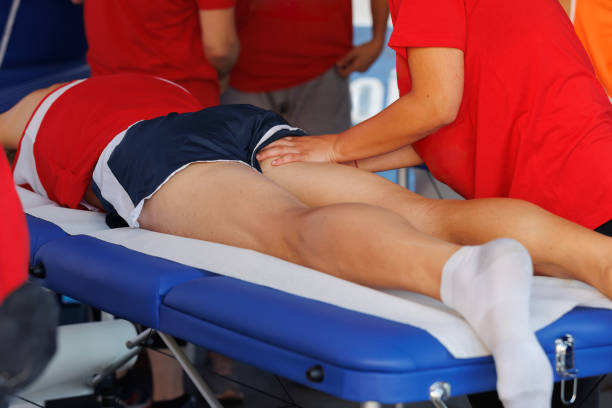
Sports massage isn’t “spa fluff.” It’s targeted work on overused muscles, trigger points, and restricted tissue—so your body can recover and move better. At Chill Spa, they call sports massage muscle-focused work that targets stiff or inflamed areas, helps prevent strains, increases blood flow, and breaks up knots that limit mobility.
If you’re booking a sports massage in Felspar Park, CA, ask for a calf-focused plan. You want the therapist to work the calf, belly, Achilles area, and even the foot, because tight feet often pull on the calves. Also, mention nighttime cramps specifically so the pressure and techniques match your goal.
The Best Massage Techniques for Crampy Calves
Different hands-on methods help in different ways. Chill Spa uses several sports techniques, including myofascial release, trigger point therapy, deep tissue, and active release-style work. Here’s how they map to night cramps:
Which Technique Helps What
| Technique | Best for | What it feels like |
| Trigger point work | “Hot spots” that cramp fast | Focused, specific pressure |
| Myofascial release | Stiff, sticky tightness | Slow stretch, melting feel |
| Deep tissue | Long-term tight calves | Firm, steady pressure |
| Active release-style work | Tightness that returns quickly | Pressure + guided movement |
However, more pressure isn’t always better. If your calf is already reactive, a lighter, slower approach can work better at first.
A Simple Self-Massage You Can Do Tonight
If you want relief right now, do this quick routine before bed. It takes 4–6 minutes per leg, and this sports massage in Felspar Park, CA, is gentle enough for most people.
Step-By-Step Bedtime Calf Reset
- Warm it up (30–60 sec): Rub the calf with both hands, fast enough to feel heat.
- Slow squeeze (60 sec): Use your palm to press and glide up the calf, from ankle toward knee.
- Find the “twitchy” spot (60 sec): When you hit a tender knot, pause and hold pressure at a 4–6/10 discomfort level. Keep breathing.
- Add ankle moves (30 sec): While holding, slowly flex your foot up and down. This tells the muscle it’s safe to let go.
- Finish with a stretch (30 sec): Heel down, toes up, gentle calf stretch—no bouncing.
Even so, stop if you feel sharp pain, numbness, or a sudden burning sensation.
Fix the Sneaky Triggers That Set Cramps Off
Massage helps a lot; however, it works best when you remove the “cramp fuel.” Try these quick checks:
- Hydration check: If your urine is dark yellow most of the day, drink more water earlier (not all at night).
- Salt/sweat check: If you sweat heavily, a pinch of salt in food (or an electrolyte drink) earlier in the day may help.
- Foot position check: Sleeping with toes pointed down can shorten the calf. Try a pillow to keep your feet more neutral.
- Shoe check: Worn-out shoes can overload calves; therefore, more cramps show up at night.
If you’re getting regular sports massage in Felspar Park, CA, tell your therapist which of these fits you—they can adjust the session to match.
How Often Should You Get a Sports Massage
Consistency beats intensity. If cramps happen weekly, start with 1 session per week for 2–3 weeks, then taper to every 2–4 weeks as things settle. Meanwhile, do your short self-massage on “heavy leg” days.
During a session, expect your therapist to target overworked muscle groups and use techniques like trigger point work, myofascial release, and deeper pressure if needed. Afterward, drink water and take a short walk. Because massage increases circulation, gentle movement helps your calf “lock in” the new looseness.
When Cramps Mean “Get Checked.”
Most night cramps are harmless; however, a few red flags deserve medical input—especially if they’re new or severe. Talk to a clinician if you notice:
- Swelling, redness, warmth, or one-sided calf pain
- Cramps plus numbness, weakness, or back pain shooting down the leg
- You started a new medication, and cramps suddenly began
- Cramps are daily and don’t improve with hydration, stretching, and massage
Also, if you suspect a blood clot, treat it as urgent.
Sleep Better with Calmer Calves
Night cramps don’t always need a complicated fix. Often, they need a steady one: loosen the calf tissue, improve blood flow, and reduce the little triggers that keep your muscles on edge. That’s why sports massage can be such a practical tool—especially when you pair it with a short bedtime routine and better hydration timing. If you want help building a simple plan that fits your activity level, Chill Spa offers sports-focused bodywork designed for active, overworked muscles. A calmer calf can mean a calmer night—and you deserve that.