
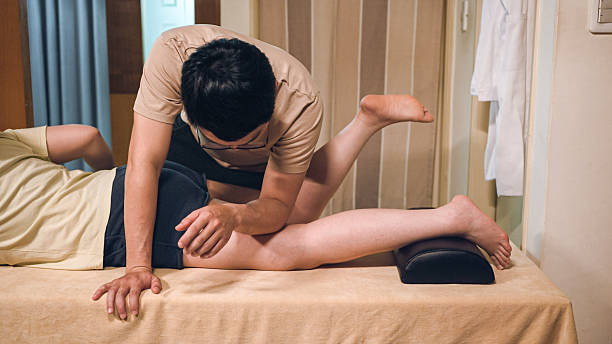
If you’ve had muscle pain for months, you’ve probably tried the usual stuff—stretching, heat, a new pillow, maybe even pain meds. Sometimes it helps… until it doesn’t. Chronic pain can feel like your body is stuck in tight mode, especially in your neck, shoulders, low back, or hips. The big question is simple: can deep tissue work actually change that, or is it just a temporary break? If you’re considering a deep tissue massage in Clairemont, this guide will help you set realistic expectations and make smarter choices.
What Chronic Muscle Pain Often Means
Chronic muscle pain usually isn’t one single problem. Instead, it’s a mix of things that keep feeding each other.
Here are common culprits:
- Overuse (desk work, lifting, training, parenting—yes, that counts)
- Old injuries that never fully settled down
- Guarding (your body tenses to “protect” a sore area)
- Trigger points (tight knots that can refer pain elsewhere)
- Stiff fascia (fascia is the thin tissue that wraps muscles)
Because it’s layered, your pain may feel deep, dull, or “always there.” However, it can also flare sharply with certain moves. Massage can help, but only if it targets the real drivers—not just the surface.
What Deep Tissue Massage Actually Does
Deep tissue massage is not as hard as possible. It’s slow pressure with a purpose.
A skilled therapist usually works through deeper layers using methods like:
- Stripping strokes (long, firm strokes along muscle fibers)
- Trigger point release (steady pressure on stubborn knots)
- Cross-fiber friction (small strokes across fibers to loosen sticky spots)
- Myofascial work (gentle, sustained holds to help fascia soften)
Because these techniques can help tight tissue let go, people often notice easier movement and less heavy stiffness after a session. Even so, the best results usually come from matching the technique to the right problem area—not chasing pain everywhere.
Can It Fix Pain or Just Reduce It?
Let’s be honest: fix is a strong word. Deep tissue massage can be a real game-changer when chronic pain is driven by tight tissue, trigger points, and movement limits. Research reviews suggest massage can improve pain and function in some conditions, especially in the short term, depending on dose and the problem being treated.
Also, techniques related to myofascial release show benefits for chronic low back pain in research summaries, although results can vary by person and study quality. So yes—deep tissue can help a lot. However, if pain is coming from nerve compression, inflammatory disease, or a structural issue that needs medical care, massage may only be one helpful piece.
Signs Deep Tissue Is a Good Fit
If you’re deciding whether to book, look for these signs. They’re practical, not perfect—but they’re useful.
Deep tissue may be a good fit if:
- Your pain feels tight, knotted, or ropey
- Stretching helps a little, but not enough
- You feel a limited range of motion (turning your head, bending, reaching)
- Pain spreads in familiar patterns (example: neck knot → headache)
- You feel worse after long sitting, driving, or repetitive work
This is why many people choose deep tissue massage in Clairemont when they’re tired of “temporary” fixes and want a focused approach that goes deeper than a relaxation session.
5-Minute What’s Driving My Pain? Check
Try this right now, meanwhile keeping it gentle:
- Locate the pattern: Where does it start, and where does it travel?
- Test movement: Turn, bend, or reach slowly. What motion feels blocked?
- Press and compare: Lightly press both sides of the body. One side extra tender?
- Breathe and drop shoulders: Does the pain ease even slightly with slow breaths?
- Heat vs. motion: Does warmth help more, or does light movement help more?
Moreover, if pressure + slow breathing reduces the alarm feeling, that often points to muscular tension playing a big role. Therefore, deep tissue work may be worth trying—carefully.
What To Expect After a Session
A good deep tissue session can feel amazing… and a bit weird afterward.
Common experiences:
- Soreness for 24–48 hours
- Feeling loser, but also tired
- A short-term flare if the area was very guarded
- Better sleep that night (many people report this)
Chill Spa emphasizes slow, targeted work and adjusting pressure so it’s purposeful—not rushed.
Deep Tissue Vs Other Options
Sometimes deep tissue is the right tool. Sometimes it’s not the first tool. This mini table can help you choose more wisely.
| Option | Best for | Not ideal when | Typical feel |
| Deep tissue massage | Knots, chronic tightness, limited mobility | Acute inflammation, very sensitive flare-ups | Intense but controlled |
| Swedish massage | Stress, light tension, relaxation | Deep trigger points that need focus | Light to medium |
| Heat + mobility | Daily stiffness, maintenance | When you need a hands-on release | Gentle, soothing |
| Physical therapy | Strength imbalances, injury rehab | If you only want short-term relief | Active, structured |
Massage can pair well with movement work, also because loosening tissue often makes exercises easier to do correctly.
How to Make Deep Tissue Work Better
Here’s the part most people skip: deep tissue works best with a simple plan.
Try this approach:
- Pick one main goal (example: “less neck pain while working”)
- Choose 1–2 target areas per session (not the whole body)
- Track results for 3 days (pain, sleep, movement)
- Repeat consistently for a short trial (example: 3–4 sessions over several weeks)
- Add one daily habit (2-minute doorway stretch, short walk, or desk reset)
If you book a deep tissue massage in Clairemont, the win is not “one perfect session.” Instead, it’s building steady change your body can hold onto.
The Gentle Next Step
Chronic muscle pain rarely disappears from one thing alone. However, deep tissue massage can make a big difference when tight muscle layers and trigger points are part of the problem. It can reduce pain, improve movement, and help you feel like your body is working with you again—especially when you combine it with small daily habits and clear goals. If you want to try deep tissue massagewith a calm, focused approach, you can book a session at Chill Spa and simply tell us what you’re dealing with. Keep it simple, stay honest about pressure, and give your body a fair trial.