
Quick Answer
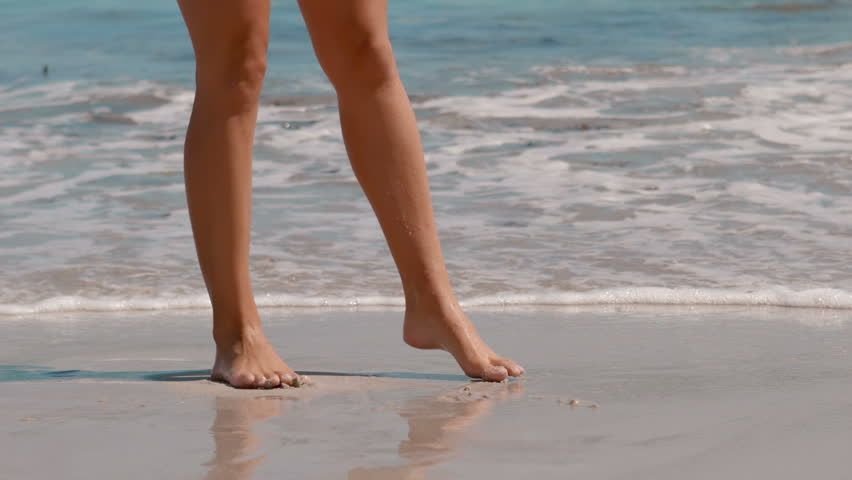
Your feet hurt after walking on the beach because soft sand shifts under every step, forcing your arches, toes, ankles and calves to work much harder than they do on pavement. Going barefoot, walking on the sloped shoreline, and wearing flimsy flip flops add extra strain. Most soreness fades within a day or two with rest and stretching.
Introduction: The Beach Walk That Felt Easy Until the Next Morning
A sunset stroll from Crystal Pier toward Mission Beach feels effortless in the moment. The sand is soft, the breeze is cool, and you barely notice the miles. Then the next morning, your arches ache, your calves feel tight, and your first steps out of bed are surprisingly stiff.
You are not imagining it, and you are not out of shape. Sand is one of the most demanding surfaces your feet will ever walk on.
This guide explains exactly why beach walking causes foot pain, which kind of soreness is normal and which deserves attention, and practical ways to enjoy San Diego’s coastline without paying for it the next day.
Why Is Walking on Sand Harder Than Walking on Pavement?
Soft sand absorbs your energy and moves under your feet, so your muscles must do extra work to push off and keep you balanced. On concrete, the ground gives back the force you put into it. On sand, part of every step simply sinks away.
Research published in the Journal of Experimental Biology (Lejeune and colleagues, 1998) found that walking on soft sand requires roughly 1.6 to 2.5 times more energy than walking at the same speed on a hard surface. Your feet and lower legs absorb a large share of that extra effort.
Here is what changes when you step from the boardwalk onto the beach:
| Factor | Pavement or Boardwalk | Soft Sand |
|---|---|---|
| Energy returned with each step | High | Low, sand absorbs it |
| Balance demand | Low | High, the surface keeps shifting |
| Toe and arch muscle work | Moderate | Much higher, toes grip and push |
| Calf and Achilles load | Normal | Greater, especially when pushing off sinking sand |
| Ground slope | Usually flat | Often tilted near the water |
What does “working your intrinsic foot muscles” mean?
Intrinsic foot muscles are the small muscles located entirely inside your foot that support your arch and control your toes. Most people rarely challenge them because shoes and flat floors do much of the stabilizing work. Sand wakes them up suddenly, which is why your arches can feel worked the same way your legs do after a new exercise.
What Are the Most Common Causes of Beach Foot Pain?
The main causes are unstable sand, barefoot walking, sloped shorelines, poor footwear and simply doing more than your feet are used to. Often it is a combination of several.
- Soft, dry sand. The deeper your foot sinks, the harder your calves and arches must work to lift and push off.
- Going barefoot for too long. Without cushioning or arch support, the plantar fascia and foot muscles take more load than usual.
- The sloped shoreline. Wet sand near the water usually tilts toward the ocean. Walking one direction for a long distance loads one foot and ankle differently from the other, which can leave one side sorer.
- Flip flops. Your toes grip to keep thin sandals on, which strains the foot muscles and offers little support.
- A sudden jump in activity. Vacation days, or a weekend of beach volleyball and long walks, can be far more than your feet handle during a normal week.
- Heat and sun. Hot dry sand can cause minor burns on the soles, and sunburned tops of the feet are surprisingly painful in shoes the next day.
Where Does It Hurt? What Your Pain Location May Mean
Where your pain shows up offers useful clues about which tissue was overworked. The table below describes common patterns, not a diagnosis.
| Location | Common Cause After a Beach Walk | Typical Feel |
|---|---|---|
| Arch | Overworked foot muscles and plantar fascia | Tired, achy, tight |
| Heel | Plantar fascia strain, especially if you walked far barefoot | Sharp or tender with the first steps in the morning |
| Back of the ankle | Achilles tendon working hard on soft sand | Tight or sore when pushing off |
| Calves | Extra push off effort through sinking sand | Deep ache, similar to after a workout |
| Ball of the foot and toes | Toe gripping, especially in flip flops | Sore, cramp prone |
| Outer ankle or one side only | Walking long distances on a sloped shoreline | Uneven soreness, one side worse |
Is heel pain after the beach a sign of plantar fasciitis?
It can be, especially if the pain is worst during your first steps in the morning and lasts more than a few weeks. Plantar fasciitis is irritation of the plantar fascia, the thick band of tissue running along the bottom of your foot from heel to toes. A single long beach walk usually causes temporary soreness, but repeatedly overloading the area can contribute to ongoing heel pain. According to AAOS OrthoInfo, most cases improve with conservative care such as stretching, supportive footwear and rest.
Is Walking on Sand Good or Bad for Your Feet?
Walking on sand is not bad for healthy feet. It can actually be a useful way to strengthen them, as long as you build up gradually. The problems usually come from doing too much, too soon.
Potential benefits:
- Strengthens the small stabilizing muscles in the feet and ankles
- Challenges balance in a low impact way
- Burns more energy than walking the same distance on pavement
- Feels gentler on joints for many people because sand cushions impact
Potential drawbacks:
- Higher strain on the Achilles tendon and calves
- More fatigue in the arches if you are used to supportive shoes
- Uneven loading on sloped shorelines
- Risk of cuts, burns or stings when barefoot
Our take: for most people, beach walking is a healthy habit worth keeping. Treat it like a new workout. Start shorter, mix in firmer surfaces, and let your feet adapt over a few weeks.
How Can You Prevent Sore Feet After a Beach Walk?
Start with shorter walks, choose firmer wet sand over deep dry sand, switch directions on sloped stretches and wear supportive footwear for longer distances. Small adjustments make a big difference.
- Build up gradually. If you normally walk on pavement, begin with 15 to 20 minutes on sand and increase over time.
- Walk on firmer sand. The packed sand just above the waterline is easier on your calves than deep, dry sand near the seawall.
- Turn around halfway. Walking out and back evens out the effect of the shoreline slope on each foot.
- Save long walks for the boardwalk. Do the distance on the paved boardwalk and enjoy a shorter stretch on the sand.
- Choose supportive sandals or water shoes. Look for a contoured footbed and a strap behind the heel, so your toes are not gripping to keep them on.
- Warm up first. A few ankle circles and calf raises before you start help prepare the lower legs.
- Protect your skin. Put sunscreen on the tops of your feet and avoid hot dry sand in the middle of a summer afternoon.
- Do the stingray shuffle. Along San Diego beaches, including Pacific Beach and Mission Beach, lifeguards recommend shuffling your feet when wading in shallow water to avoid stepping on a stingray.
How Do You Relieve Sore Feet After Walking on the Beach?
Rest, gentle stretching, light self massage and supportive shoes usually ease beach related foot soreness within a day or two. Here is a simple routine.
Step by step relief routine
- Rinse and check your feet. Wash off sand and look for cuts, blisters or burns that need care.
- Stretch your calves. Stand facing a wall, step one foot back with the heel down, and hold for 30 seconds. Repeat two or three times on each side.
- Stretch the arch. Sit down, cross one foot over your knee and gently pull your toes back toward your shin for 20 to 30 seconds.
- Roll the bottom of your foot. Roll your sole slowly over a tennis ball or a chilled water bottle for a minute or two.
- Elevate your feet. Resting with your feet raised can help if they feel swollen after a warm day.
- Wear supportive shoes the next day. Going straight from barefoot sand walking to flat, unsupportive shoes can prolong soreness.
- Try gentle foot massage. Light pressure on the arches, heels and calves can help tired muscles relax.
Should you use ice or heat?
Cold tends to feel better for tender, inflamed spots like a sore heel, while warmth often feels better for tight, achy calves. Use whichever feels better, keep sessions to about 15 to 20 minutes, and always place a cloth between ice and skin.
Common Mistakes That Make Beach Foot Pain Worse
- Walking miles barefoot on your first day of vacation. Your feet need time to adapt.
- Ignoring morning heel pain. If it keeps returning, it deserves attention rather than more beach miles.
- Wearing worn out flip flops everywhere. They offer almost no arch or heel support.
- Pushing through sharp pain. Achiness is normal; sharp, localized pain is not.
- Skipping sunscreen on your feet. Sunburned feet make every step painful the next day.
- Walking the same direction on a sloped beach for a long time. One side ends up carrying more strain.
When Should You See a Doctor or Podiatrist?
See a healthcare professional if foot pain lasts longer than a couple of weeks, keeps getting worse, or comes with swelling, bruising or trouble bearing weight. A podiatrist or physician can check for problems like plantar fasciitis, Achilles tendinopathy or stress injuries.
Get professional advice sooner if you notice:
- Pain you cannot walk on, or a sudden pop in the heel or ankle
- Significant swelling, bruising or warmth
- Numbness, tingling or burning in the foot
- A cut or sting that looks infected
- Any foot injury if you have diabetes or poor circulation
You can find a qualified foot specialist through the American Podiatric Medical Association.
Key Takeaways
- Feet hurt after walking on the beach mainly because soft sand makes your feet and calves work much harder than pavement.
- Research shows walking on soft sand can take roughly 1.6 to 2.5 times more energy than walking on hard ground.
- Barefoot walking, sloped shorelines and flip flops add extra strain to the arches, heels and Achilles tendon.
- Pain location offers clues: arches and calves are usually overworked muscles, while morning heel pain may point to plantar fascia irritation.
- Walking on sand is healthy for most people when you build up gradually.
- Firmer wet sand, out and back routes and supportive sandals help prevent soreness.
- Stretching, rolling the arch, rest and gentle massage usually ease discomfort within a day or two.
- Persistent, worsening or sharp pain deserves a visit to a podiatrist or doctor.
Frequently Asked Questions
Why do my calves hurt after walking on the beach?
Your calves push you forward with every step, and soft sand sinks under that push, so they must work harder to propel you. That extra effort feels similar to a new workout. Gentle calf stretches, light massage and walking on firmer wet sand next time usually reduce the soreness within a day or two.
Is it better to walk on wet sand or dry sand?
For most people, firm wet sand near the waterline is easier on the feet and calves because it moves less underfoot. Dry, deep sand offers a tougher workout but places more strain on the arches and Achilles tendon. Mixing both, and turning around halfway to balance the shoreline slope, is a sensible approach.
Is walking barefoot on sand good for your feet?
Barefoot sand walking can strengthen the small muscles that support your arches and improve balance. The key is moderation. Start with short walks, increase gradually and watch for sharp pain or lasting heel soreness. People with diabetes, neuropathy or existing foot injuries should check with a healthcare provider first.
How long does foot soreness from walking on sand last?
Normal muscle soreness from a long beach walk usually improves within 24 to 72 hours. Stretching, rest, supportive shoes and gentle massage can help it settle faster. If pain lasts longer than a couple of weeks, worsens over time or makes walking difficult, have it checked by a podiatrist or doctor.
Can walking on the beach cause plantar fasciitis?
A single beach walk rarely causes plantar fasciitis by itself, but repeatedly overloading the plantar fascia, especially barefoot on soft sand without building up gradually, can contribute to it. Watch for heel pain that is sharpest during your first steps in the morning, and get it evaluated if it persists.
What shoes are best for walking on the beach?
Look for sandals or water shoes with a contoured footbed, arch support and a strap behind the heel so your toes do not have to grip. For long distance walking, lightweight athletic shoes on the boardwalk or firm sand are often more comfortable than going barefoot or wearing thin flip flops.
Does foot massage help sore feet after the beach?
Many people find that massage helps tired arches, heels and calves feel looser and more comfortable after a long beach day. It supports relaxation and eases muscle tension, but it does not replace medical care for injuries. If pain is sharp, swollen or persistent, see a healthcare professional first.
Conclusion
Sore feet after a beach walk are your body’s honest feedback that sand is a real workout. Soft, shifting ground asks your arches, toes, ankles and calves to do far more than a flat sidewalk ever does. The good news is that a little planning, such as building up gradually, choosing firmer sand, balancing the shoreline slope and wearing supportive sandals, lets you enjoy every mile of the San Diego coast.
If your feet and calves are still feeling that boardwalk to Crystal Pier stretch, Chill Spa on Garnet Avenue in Pacific Beach is just a short walk from the sand. Our reflexology and body and foot combo sessions are a relaxing way to unwind tired feet after a beach day. Reach out to book your visit whenever you are ready.