Some muscle tension disappears after a good night’s sleep. Other tight spots seem to settle in and stay there.
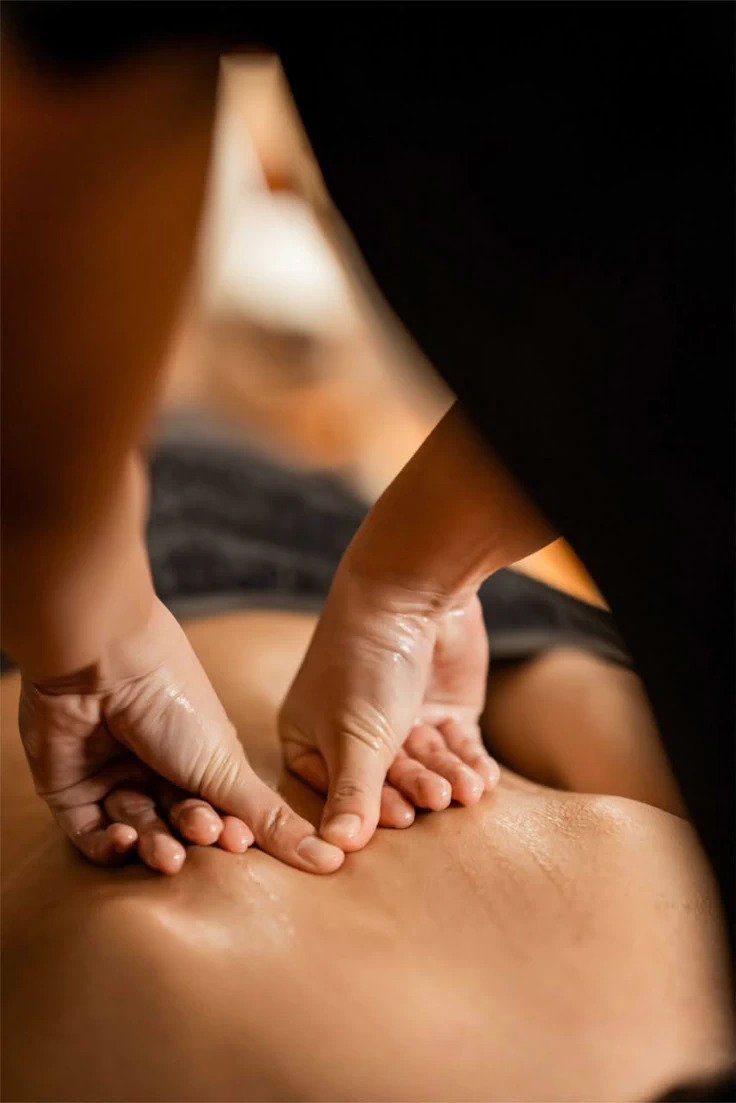
Deep tissue massage is designed for those stubborn areas. It uses slow, deliberate movements and focused pressure to work with deeper layers of muscle and connective tissue. Instead of rushing across the body, your therapist takes time to identify where movement feels restricted and where your muscles are holding more tension than usual.
At Chill Spa, deep tissue massage is focused, not punishing. More pressure is not automatically better. The right pressure is the amount your body can receive without tightening in response.
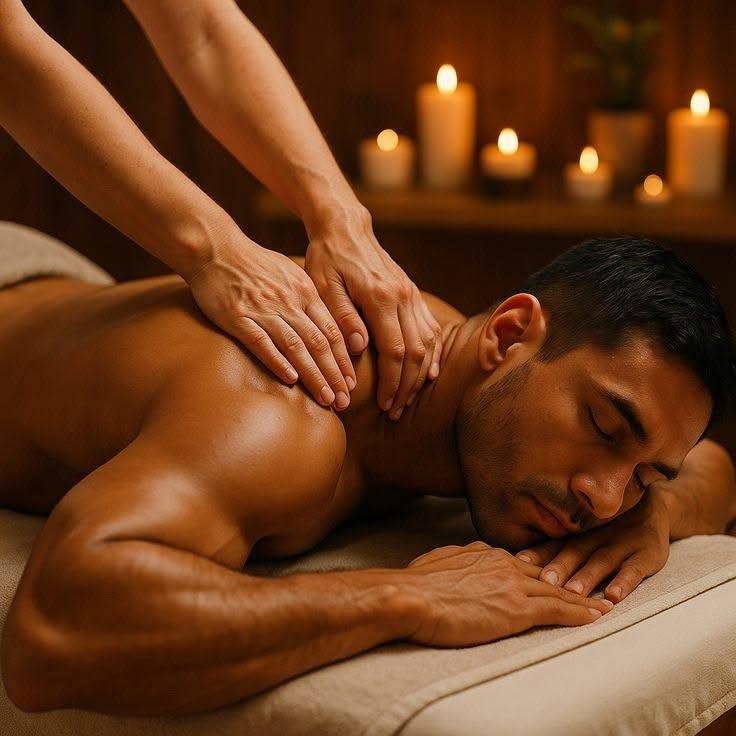
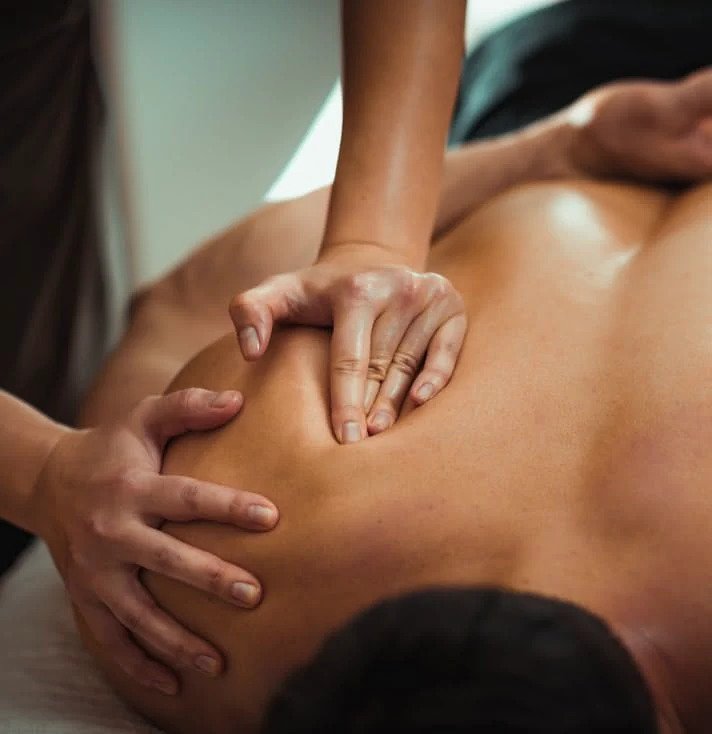
No two deep tissue sessions should feel identical.
A surfer with tired shoulders may need a different approach than a runner with tight calves or someone experiencing upper-back tension after a week at a computer.
Before your session, your therapist will ask about:
This information helps your therapist create a session that addresses your priorities instead of following a generic full-body sequence.
Professional deep tissue massage at Chill Spa helps reduce muscle tension, relieve chronic pain, and improve overall wellness. Our customized treatments support stress relief, improve blood circulation, and promote natural healing for both body and mind.
Targets deep muscle layers to relieve stiffness, reduce chronic pain, and ease tight muscles caused by stress or physical activity.
Helps lower stress hormones, reduce anxiety, and promote a calm, relaxed mental state.
Enhances circulation, allowing better oxygen and nutrient delivery for improved body function and recovery.
Improves range of motion, supports joint health, and increases flexibility for daily movement.
Supports post-workout recovery, reduces soreness, and helps the body heal from strain and minor injuries.
Promotes deeper sleep, reduces fatigue, and helps your body fully relax and recharge.
No two deep tissue sessions should feel identical.
A surfer with tired shoulders may need a different approach than a runner with tight calves or someone experiencing upper-back tension after a week at a computer.
Before your session, your therapist will ask about:
This information helps your therapist create a session that addresses your priorities instead of following a generic full-body sequence.
Your therapist may begin with lighter movements to warm the muscles before gradually working more deeply.
The session can include:
You may notice tender spots during the massage. Tenderness is different from sharp, burning or overwhelming pain. Tell your therapist immediately if the pressure feels too intense or produces an unusual sensation.
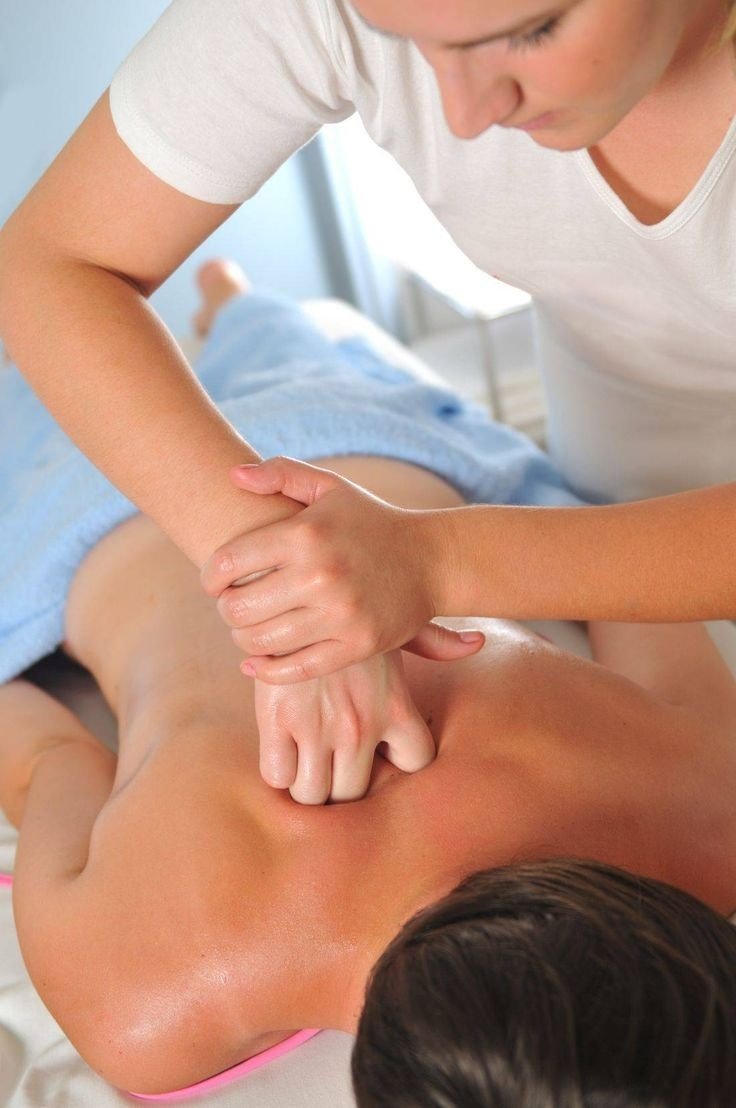
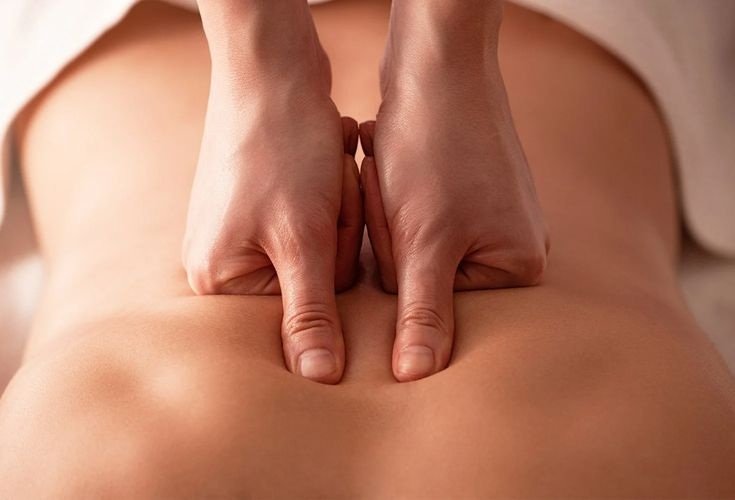
Many people avoid deep tissue massage because they assume it must hurt. That is not how we approach it at Chill Spa.
When the body is forced to tolerate excessive pressure, the muscles may tense further. Productive deep tissue work gives the tissue enough time to respond.
Your therapist will work gradually and adjust the depth based on:
The objective is to help you feel less restricted—not to prove how much pressure you can tolerate.
You do not have to keep working around the same tight shoulders, tired back or overworked legs.
What is the difference between deep tissue and regular massage?
A general relaxation massage usually uses broader, flowing movements and lighter to moderate pressure. Deep tissue massage moves more slowly and concentrates on deeper, tighter areas that need focused work.
Does deep tissue massage hurt?
You may experience some tenderness, but the treatment should remain within your tolerance. Sharp or overwhelming pain is not the goal. Tell your therapist whenever the pressure needs to be changed.
Will I feel sore afterward?
Some clients experience temporary tenderness after focused massage, especially when they are new to deep tissue work. The amount varies by person, pressure and areas treated.
Is deep tissue massage good after a workout?
It may be incorporated into an overall recovery routine, but timing and pressure matter. Tell your therapist what activity you completed, when you trained and whether you have any active pain or injury.
Should I book deep tissue or trigger point massage?
Choose deep tissue when several larger muscle areas feel tight. Trigger point therapy may be more appropriate when you have a specific tender knot or a sensation that seems to travel from one location to another. The techniques may also be combined.
How often should I schedule deep tissue massage?
There is no universal schedule. Frequency depends on your activity level, goals, budget and how your body responds. Your therapist can discuss a reasonable plan without pressuring you into unnecessary appointments.