
Massage Therapy in San Diego for Pain Relief & Deep Relaxation
Training hard is only part of the equation. The other part is how well your body recovers between sessions. At Chill Spa in San Diego, our sports massage therapy is designed for athletes, active individuals, and anyone whose body takes a regular beating from physical activity. Whether you are a competitive runner, a weekend hiker, a gym regular, or someone recovering from a sports-related injury, sports massage helps your body recover faster, move better, and stay out of pain longer.
Sports massage in San Diego at Chill Spa combines elements of deep tissue work, stretching, and targeted pressure to address the specific demands that athletic activity places on your muscles, joints, and connective tissue. Sessions can be timed before an event to prepare the body, after training to speed recovery, or as a regular maintenance tool to keep you performing at your best.
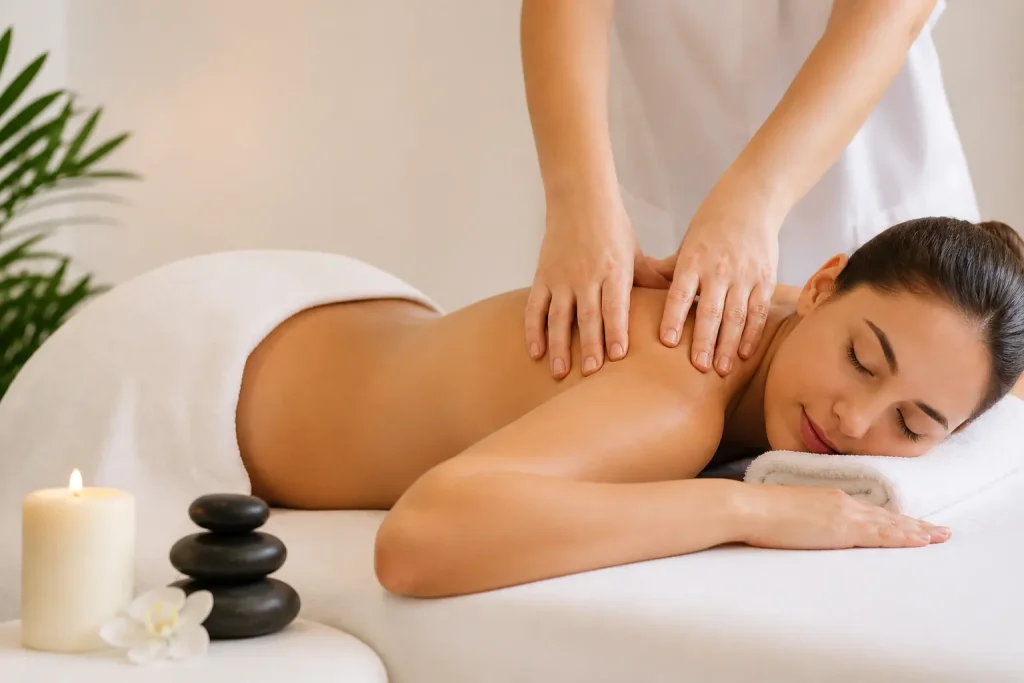
Unlike general relaxation massage, sports massage is purposefully structured around the physical demands of your sport or activity. Your therapist will ask about your training routine, areas of recurring tightness or soreness, and any past or current injuries before beginning.
The session then focuses on the muscle groups most taxed by your activity, using a combination of deep compression, cross-fiber friction, passive stretching, and trigger point work to release tightness, break down scar tissue, and restore full range of motion. The pressure is firm but controlled, always aimed at outcomes rather than just comfort.
Reduces delayed onset muscle soreness by flushing out metabolic waste products and improving circulation to fatigued muscle tissue.
Professional sports massage at Chill Spa helps reduce muscle tension, relieve chronic pain, and improve overall wellness. Our customized treatments support stress relief, improve blood circulation, and promote natural healing for both body and mind.
Targets deep muscle layers to relieve stiffness, reduce chronic pain, and ease tight muscles caused by stress or physical activity.
Helps lower stress hormones, reduce anxiety, and promote a calm, relaxed mental state.
Enhances circulation, allowing better oxygen and nutrient delivery for improved body function and recovery.
Improves range of motion, supports joint health, and increases flexibility for daily movement.
Supports post-workout recovery, reduces soreness, and helps the body heal from strain and minor injuries.
Promotes deeper sleep, reduces fatigue, and helps your body fully relax and recharge.
Your session starts with a focused conversation about your activity level, training schedule, and where your body is carrying the most tension or restriction. This shapes the entire approach your therapist takes.
The work is hands-on and specific. Do not expect the same flowing, gentle rhythm of a relaxation massage. Sports massage is purposeful, sometimes intense in targeted areas, and oriented entirely around your physical recovery and performance goals.
You will likely feel the difference immediately after the session in how your muscles move and how much less restricted your range of motion feels. With regular sessions, the cumulative benefits become increasingly apparent in your training and recovery times.
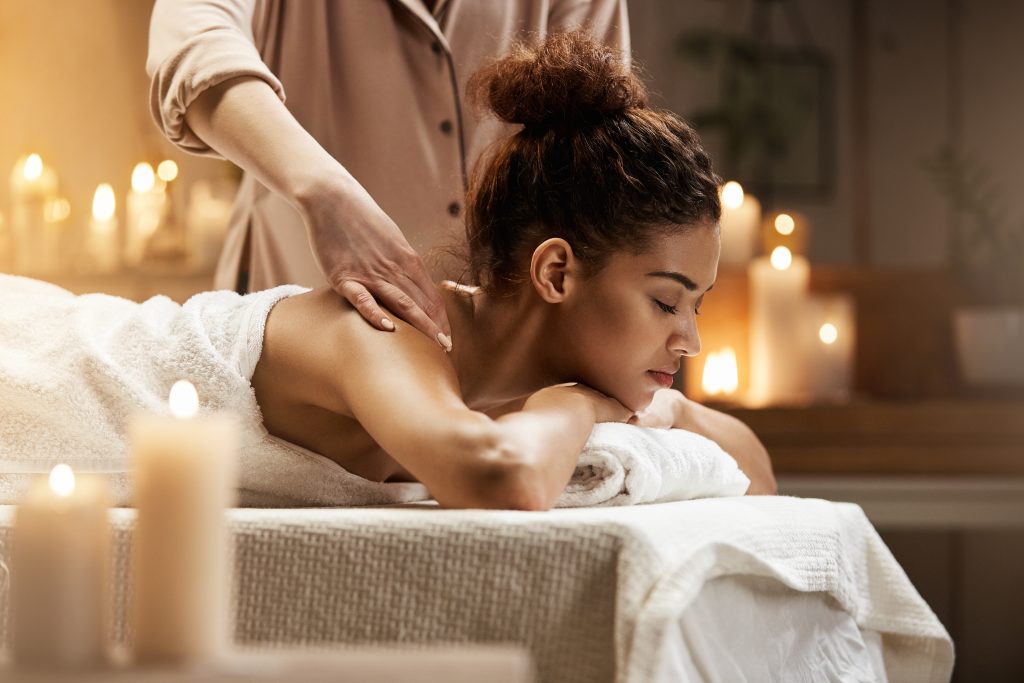
For recovery purposes, 24 to 48 hours after a hard training session works well. For pre-event preparation, a lighter session the day before or the morning of can help warm up the muscles and sharpen your readiness.
Not at all. Anyone who exercises regularly, deals with recurring muscle tightness from physical activity, or wants to move better and recover faster can benefit from sports massage.
Your therapist will adjust pressure throughout your session to ensure the most effective and comfortable experience.
Yes. Sports massage is very effective at addressing the scar tissue and chronic tightness that often lingers around old injuries, helping to restore function and reduce pain.
During periods of heavy training, every two weeks is a common schedule. During lighter training periods or off-season, once a month is often enough to maintain mobility and prevent the buildup of chronic tension.