
Deactivate the hidden sources of pain that radiate throughout your body.
That ache in your arm might not have anything to do with your arm. Often, the real source of pain is a tight knot buried in your shoulder — and your body is sending distress signals across the muscle system.
This is called referred pain, and it is one of the most misunderstood causes of chronic discomfort. Trigger Point Therapy is a specialized massage technique that tracks pain back to its origin.
By applying precise, focused pressure to these hyper-irritable spots known as trigger points our therapists at Chill Spa break the cycle of tension and restore proper muscle function.
Whether you are dealing with a stiff neck, a nagging back, or recurring headaches, this approach targets the actual cause rather than just the symptom.
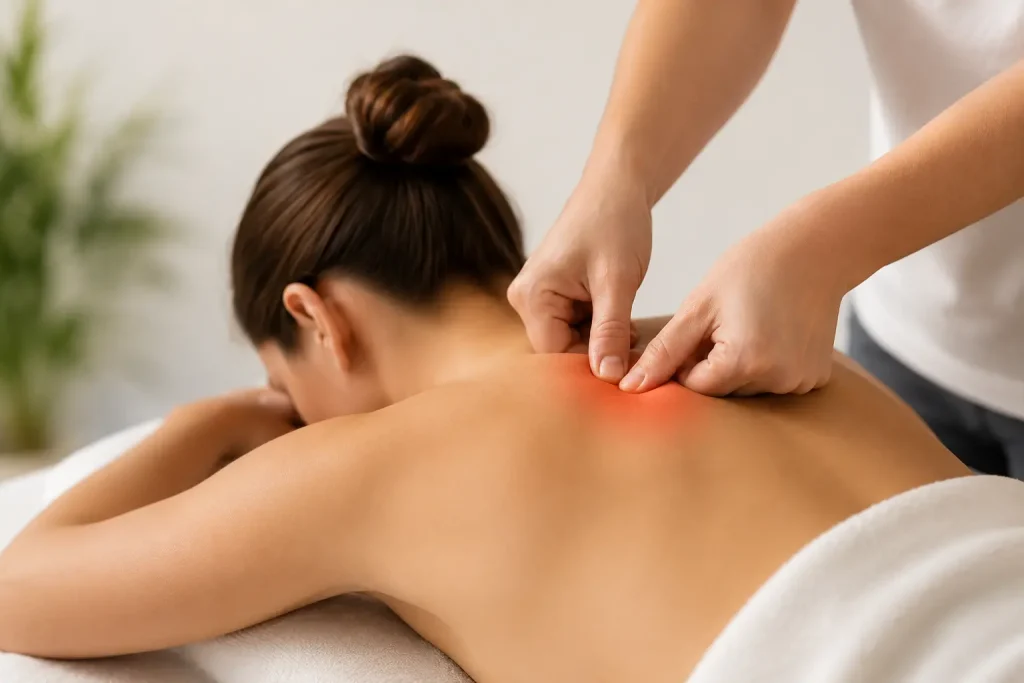
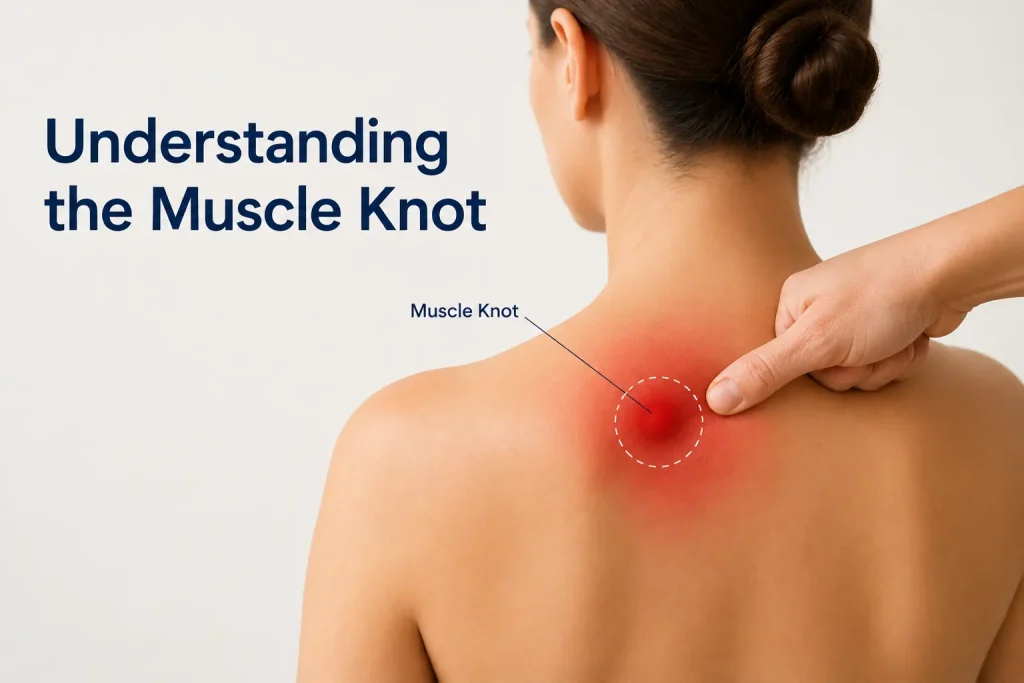
A trigger point is a small patch of muscle fibers locked in a constant state of contraction. Because this tight cluster cuts off its own blood supply, waste products build up, nerves become irritated, and pain spreads far from the original site.
Common triggers include repetitive strain, poor posture, stress, dehydration, and overexertion all of which are easy to accumulate in the active San Diego lifestyle.
Trigger Point Therapy works by applying controlled, sustained pressure directly to these contracted spots. This encourages the muscle to let go, restores blood flow, and flushes out the accumulated waste.
As oxygen and nutrients return to the tissue, inflammation drops, mobility improves, and the referred pain pattern fades often within a single session.
Trigger Point Therapy goes beyond temporary relief — it targets the root cause of your discomfort by addressing the structural imbalances that keep pain coming back. Unlike general massage, trigger point work zeroes in on specific contracted muscle fibers, releasing tension where it actually lives. Here is what clients at our San Diego spa consistently experience after their sessions.
Trigger point release signals the nervous system to shift out of fight-or-flight mode, lowering cortisol and helping the whole body relax deeply.
Breaking up contracted fibers reopens local blood flow, delivering fresh oxygen and speeding up muscle recovery and cellular repair.
Releasing chronic tension calms the nervous system — many clients report sleeping more deeply the night after a trigger point session.
Improved circulation supports lymphatic drainage, helping the body clear waste more efficiently and strengthening your natural defenses.
Pressure is applied precisely to the contracted spot — not the surrounding area — so relief hits the actual source of your pain.
Sustained, controlled pressure gradually convinces the muscle to unclench, providing lasting release rather than temporary softening.
By treating the trigger point at its origin, pain that radiates down the arm, across the back, or into the head is resolved at the root — not just suppressed.
Releasing tight spots restores natural muscle length and movement patterns, so you leave feeling noticeably freer and more mobile.
Your therapist begins by gently palpating the muscle to locate the exact point of tension the specific spot responsible for your discomfort, not just the area around it. This precise mapping ensures treatment goes straight to the source.
Once the trigger point is identified, firm and steady pressure is held for 10 to 30 seconds while you breathe slowly and steadily.
You may feel a spreading or radiating sensation during this time that is a normal and positive sign that the point is releasing. Most clients experience a noticeable shift in tension before the session ends.
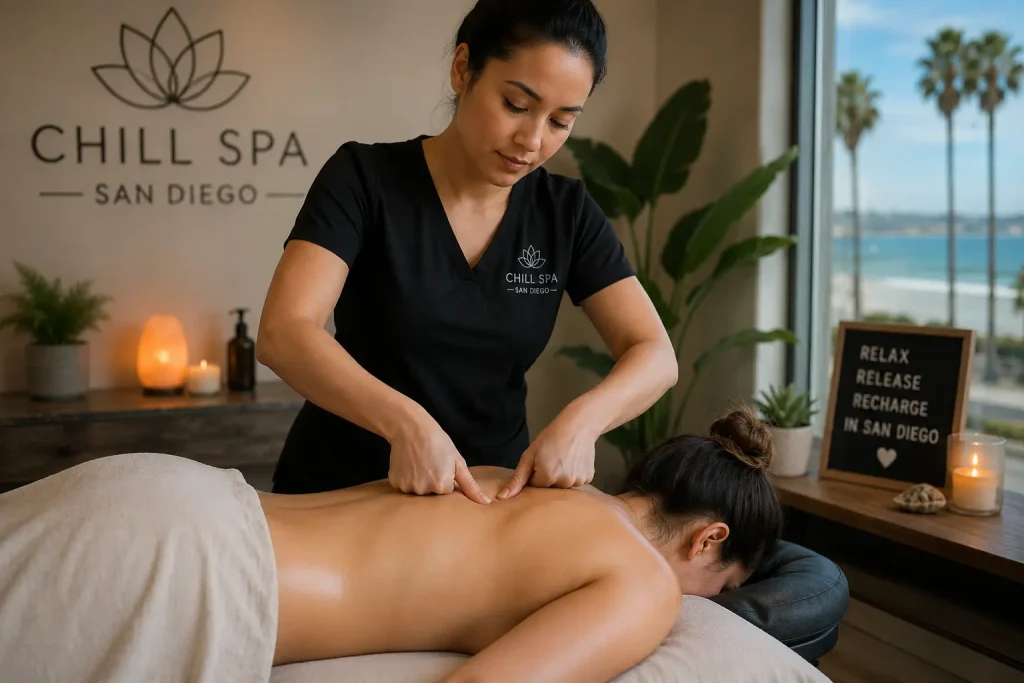
Deep tissue massage works across the whole muscle with broad, progressive pressure. Trigger point therapy is more precise — it zeroes in on individual contracted spots (knots) within the muscle and holds sustained pressure until each one releases. The two techniques complement each other well and are sometimes combined in a single session.
It depends on the complexity of your issue and how your body responds. In a typical one-hour session we usually work through 3 to 5 major areas of concern. Your therapist will let you know what they find during the assessment and adjust accordingly.
Some pressure is required to release the knot, and you may feel a brief ache or radiating sensation when the therapist works on the point. Most clients describe it as a "good hurt" — noticeably different from regular soreness. Always communicate with your therapist during the session and they will adjust to your comfort level.
Results vary depending on the cause of your trigger points. For pain related to a one-time injury or acute strain, relief can be long-lasting after just a few sessions. If your knots are caused by ongoing posture habits, repetitive stress, or a physically demanding job, they may gradually return — but we will provide guidance on stretches and lifestyle adjustments to help keep them from coming back.
Chill Spa is conveniently located for clients across San Diego, including Pacific Beach, Mission Bay, Mission Beach, Clairemont, Bay Park, Bay View Villas, and Felspar Park. Book online or call us to confirm availability.